
Get Healthier. Feel Stronger. Look Great.
Start with a ConsultWellness and aesthetics clinic
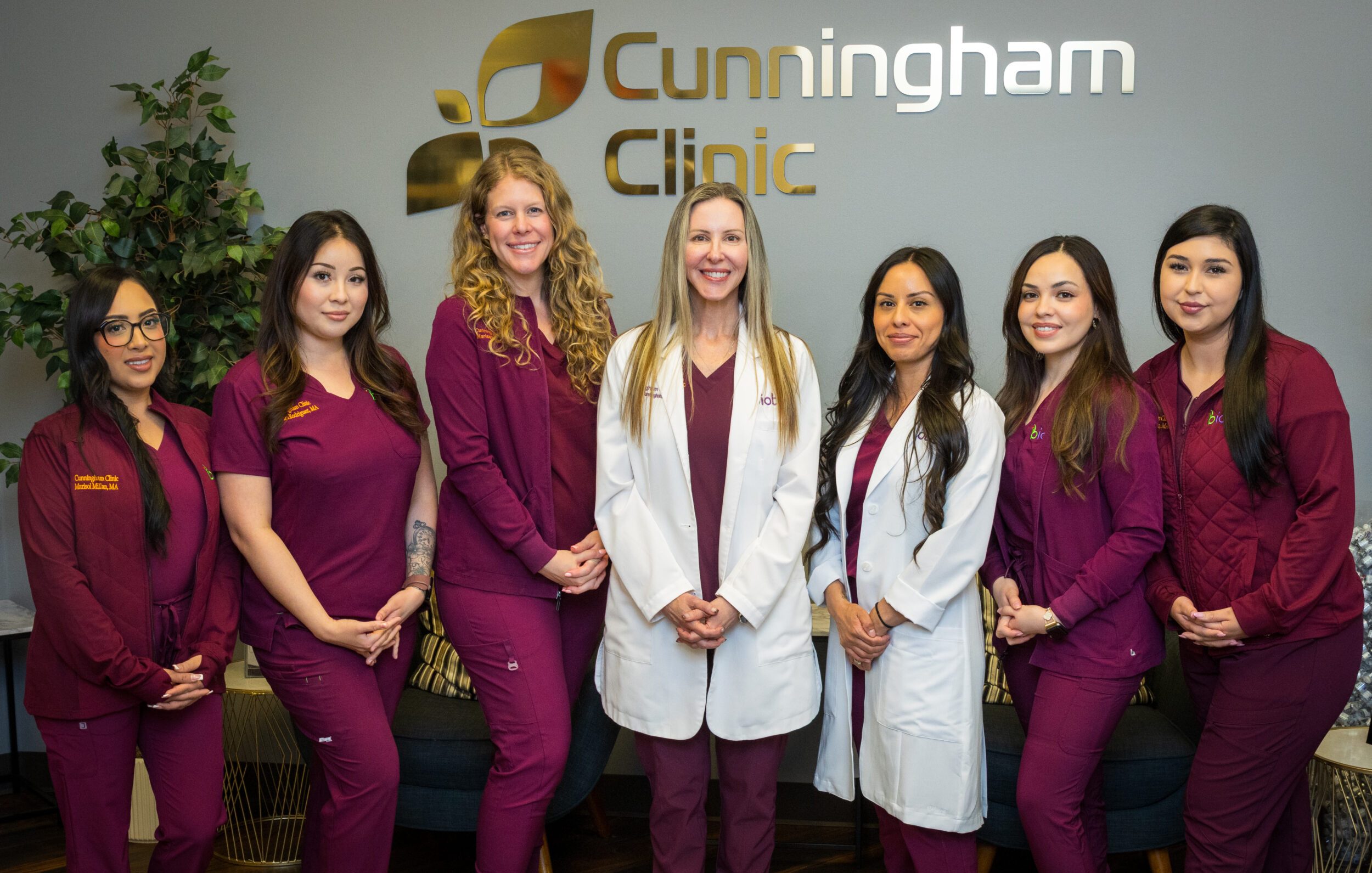
At Cunningham Clinic, care is led by Nurse Practitioner Kimberly Cunningham, MSN, APRN, ANP-C — adjoint faculty at the CU College of Nursing — alongside a bilingual clinical team trained to the same exacting standards. We're fully Biote-certified, and selective by design, carrying only the hormone, aesthetic, and wellness therapies we've vetted for real clinical evidence. Our philosophy is conservative: we aim for the natural result achieved with the minimum intervention, so you look and feel like yourself, only stronger. From your first consultation to your follow-up, you'll work with credentialed providers known as much for their highly personalized approach as for their expertise.
Restore Your Vitality From Within.
Wellness and Regenerative
Wellness and regenerative care starts with understanding you — not just your symptoms. Our team works closely with you to build a personalized plan that supports your body's natural ability to heal, recharge, and thrive. From regenerative therapies to comprehensive wellness support, every service is guided by honest, evidence-informed care designed to help you feel stronger, more energized, and genuinely well.
view wellness services
Build a Healthier You. One Step at a Time.
Weight Loss
Weight loss isn't about quick fixes — it's about building a foundation that works for your life. Our team takes the time to understand your health history, lifestyle, and goals before crafting a plan that's uniquely yours. With a focus on sustainable progress and whole-person wellness, we provide the guidance, tools, and ongoing support you need to feel stronger, more confident, and genuinely well — every step of the way.
start your journey
Look Refreshed. Feel Like Yourself.
Medical Aesthetics
Medical aesthetics is about more than appearance — it's about helping you feel confident in your own skin. Our team takes the time to understand your goals and creates a personalized treatment plan using the latest proven techniques. Whether you're exploring injectables, skin rejuvenation, or other aesthetic services, you can expect thoughtful care, honest guidance, and results that look natural and feel right for you.
explore our aesthetics
Wellness and Regenerative
Wellness and regenerative care starts with understanding you — not just your symptoms. Our team works closely with you to build a personalized plan that supports your body's natural ability to heal, recharge, and thrive. From regenerative therapies to comprehensive wellness support, every service is guided by honest, evidence-informed care designed to help you feel stronger, more energized, and genuinely well.
View Wellness Services
Restore Your Vitality From Within.
Weight Loss
Weight loss isn't about quick fixes — it's about building a foundation that works for your life. Our team takes the time to understand your health history, lifestyle, and goals before crafting a plan that's uniquely yours. With a focus on sustainable progress and whole-person wellness, we provide the guidance, tools, and ongoing support you need to feel stronger, more confident, and genuinely well — every step of the way.
Start Your Journey
Medical Aesthetics
Medical aesthetics is about more than appearance — it's about helping you feel confident in your own skin. Our team takes the time to understand your goals and creates a personalized treatment plan using the latest proven techniques. Whether you're exploring injectables, skin rejuvenation, or other aesthetic services, you can expect thoughtful care, honest guidance, and results that look natural and feel right for you.
Build a Healthier You. One Step at a Time.
Look Refreshed. Feel Like Yourself.
Medical Aesthetics
Medical aesthetics is about more than appearance — it's about helping you feel confident in your own skin. Our team takes the time to understand your goals and creates a personalized treatment plan using the latest proven techniques. Whether you're exploring injectables, skin rejuvenation, or other aesthetic services, you can expect thoughtful care, honest guidance, and results that look natural and feel right for you.
Explore Our Aesthetics
Enjoy discounts on Cunningham Clinic services.
Functional Wellness Membership
The Functional Wellness Membership brings all of Cunningham Clinic's care together into one thoughtful plan built around your long-term health. As a member, you'll enjoy discounted services, personalized guidance from our credentialed team, and exclusive benefits across hormone therapy, regenerative wellness, and aesthetics. Every recommendation follows our conservative, patient-first approach, so you get the care you truly need to feel stronger and more like yourself. Explore the membership and discover a renewed you.
discover a renewed you
Our Specialties
Client Testimonials


Quality & Care Combined
Discover What's Right For You
At Cunningham Clinic, we work with some of the most trusted names in aesthetics and wellness — including Biote, Morpheus8, Allē, BOTOX®, DAXXIFY®, KYBELLA®, JUVÉDERM® — because we believe you deserve treatments that are both proven and professionally delivered. But the brands are only part of the story. What sets us apart is the skill and dedication of our nursing team, who bring genuine expertise, careful technique, and a patient-first mindset to every appointment. When you choose Cunningham Clinic, you're not just getting access to recognized treatments — you're getting care from professionals who take the time to understand your goals and deliver results you can feel confident about.