

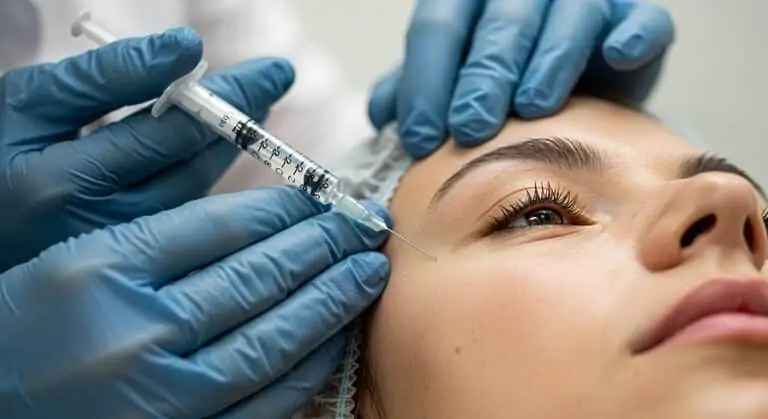
Dermal fillers typically last anywhere from 6 months to several years, depending on the type of filler, the treatment area, and your individual biology. Hyaluronic acid fillers like Juvederm and Restylane generally last 6 to 18 months, while longer-lasting options like PMMA or fat grafting can last several years. Individual results vary.
This content is for general educational purposes only and is not medical advice. Results vary from person to person. Talk with a licensed provider to see whether dermal fillers are right for you.
If you’re thinking about getting fillers, you probably have one big question in mind: how long do fillers last?
Whether it’s your first time or you’re planning a touch-up, knowing how long you can expect results to last—and what affects that timeline—can help you make the best decision for your look.
At Cunningham Clinic in Denver, Colorado, we get this question all the time, and we’re here to break it down in a way that actually makes sense. To explore your options in person, learn more about our Juvéderm and filler services at Cunningham Clinic.
How Long Do Fillers Last by Type?
Dermal fillers aren’t one-size-fits-all. Different types have different lifespans, and the type you choose will influence how long your results last. Here’s a quick overview of common dermal filler durations by type.
How Long Do Hyaluronic Acid (HA) Fillers Last?
Hyaluronic acid fillers like Juvederm and Restylane typically last 6 to 18 months, depending on where they’re injected and how your body processes them. They’re among the most popular choices because they’re versatile, reversible, and tend to give natural-looking results. Individual results vary.

How Long Do Calcium Hydroxylapatite (CaHA) Fillers Last?
Calcium hydroxylapatite fillers, like Radiesse, usually last 12 to 18 months, and sometimes longer with touch-ups. CaHA is denser than HA and is often used for deeper wrinkles or to restore volume. It tends to stimulate collagen over time, which means your skin may continue to look smoother as the filler gradually fades.
How Long Do Poly-L-Lactic Acid (PLLA) Fillers Last?
Poly-L-lactic acid fillers, like Sculptra, can last up to two years or more. PLLA is less about instant results and more about long-term collagen stimulation, so the full results build gradually over time. It’s a good option if you’re focused on a longer-term outcome. Individual results vary.
How Long Does PMMA Filler Last?
Polymethylmethacrylate (PMMA) is considered a “semi-permanent” filler and can last 5 years or longer. It’s not typically a starting point for most people, but for deeper lines or scars, it can be a durable option. Because PMMA behaves more like an implant than a dissolvable filler, you should feel confident in your desired look before choosing this route.
How Long Do Fat Injections (Fat Grafting) Last?
Fat injections, also called autologous fat grafting, use your own body fat—often taken from areas like the thighs or abdomen—and inject it into the face. When performed well, results can last several years, since the transferred fat becomes part of your natural tissue. Duration depends in part on how much fat survives the transfer.
How Does Longevity Vary by Treatment Area?
Filler duration depends heavily on where it’s placed. Different areas of your face move at different rates and have varying levels of blood flow, which affects how quickly your body breaks down the product. Think of your face like a map—some areas are calm and still, while others are high-traffic zones.
How Long Do Under-Eye Fillers Last?
Under-eye fillers typically last 6 to 12 months, since movement in this area is minimal and the skin is thin. It’s also one of the trickiest spots to treat, so precise placement matters. When done well, under-eye fillers can brighten your whole face and help you look more rested.
How Long Do Cheek Fillers Last?
Cheek fillers tend to last 12 to 18 months, because the cheeks move less than areas like the mouth. This is a popular area for building structure, contouring the face, and restoring volume that naturally fades over time. Defined cheekbones can also help lift the lower face for a more youthful appearance.
How Long Do Nose Fillers (Liquid Rhinoplasty) Last?
Nose fillers can last up to 18 months, and sometimes longer, because this area moves very little and tends to hold its shape well. Liquid rhinoplasty is a non-surgical way to soften minor bumps, add symmetry, or slightly lift the tip. Because the nose is a higher-risk area with many blood vessels, it’s especially important to choose an experienced injector who understands facial anatomy.
How Long Do Lip Fillers Last?
Lip fillers usually last around 6 to 12 months, because the lips are in near-constant motion from talking, eating, and drinking. If you love a subtle plump, you’ll likely want touch-ups a couple of times a year. Over time, hyaluronic acid can help support collagen production, which may help maintain a fuller look.
How Long Do Chin and Jawline Fillers Last?
Chin and jawline fillers often last 12 to 18 months, thanks to a combination of product density and relatively limited movement in the lower face. Sculpting the chin and jawline can help balance your profile and define your face shape, making it one of the more satisfying areas to treat.
How Long Do Fillers Last in Nasolabial Folds and Smile Lines?
Fillers in the nasolabial folds and smile lines usually last 6 to 12 months, since this area moves a lot when you talk, laugh, or smile. These lines tend to deepen with age, and fillers can soften them for a smoother, refreshed appearance. The key is to avoid overfilling, so your natural movement still looks like you.
What Affects How Long Fillers Last?
Even if you and a friend get the same filler in the same spot, your results might not last the same amount of time. Several factors are at play—some you can control, and some you can’t. Think of it like skincare: your results depend on a mix of the product, your routine, and your unique biology.
Your Metabolism
If you have a faster metabolism, your body may break down fillers more quickly than someone else’s. Athletes and very active people often notice their fillers don’t last as long. It’s not a bad thing—it just means your body processes the product a little faster.
Filler Type and Density
Not all fillers are created equal. Thicker, denser fillers—like those used in the cheeks or jawline—tend to last longer because they’re built to hold shape and resist movement. Softer fillers made for lips or fine lines break down more quickly, since they’re more flexible and mobile.
Area of Injection
High-movement areas like the mouth or forehead tend to break down filler faster, while areas that stay relatively still, like the temples or nose, tend to hold on longer. Blood flow also plays a role—areas with more circulation may break down filler sooner.
Injector Technique
A skilled injector doesn’t just help your results look good—they help them last. Precise placement, product choice, and injection depth all affect how your filler performs over time. This is one of the biggest reasons to choose a licensed, experienced provider, like the team here at Cunningham Clinic in Colorado.
Lifestyle Habits
Your daily routine can influence how long your fillers last. Excess sun exposure, dehydration, smoking, and chronic stress can speed up filler breakdown. On the other hand, staying hydrated, wearing sunscreen, and caring for your skin may help your results last longer.
How Can You Make Your Fillers Last Longer?
You can help your fillers last longer by following aftercare instructions, avoiding heat and intense exercise right after treatment, and scheduling regular maintenance appointments. While some factors are out of your control, these steps can help your results last longer.
Follow Aftercare Instructions
Aftercare isn’t just a suggestion—it’s part of the treatment. That generally means avoiding alcohol, heavy exercise, and facial massages for at least 24 to 48 hours. Skipping these steps can contribute to swelling, bruising, or a shorter-lasting result.
Avoid High Heat and Intense Workouts Right After
Heat increases blood flow, which can speed up filler absorption. Avoid saunas, steam rooms, hot tubs, and intense cardio for a couple of days after your appointment. Consider it a good excuse to relax for a bit.
Schedule Maintenance Appointments

Don’t wait until your filler is completely gone to come back. Regular maintenance can help you keep a consistent look and may even reduce the amount of product needed over time. Many of our clients at Cunningham Clinic book a check-in every 6 to 9 months, depending on the area treated.
Can Fillers Be Dissolved or Reversed?
Yes—hyaluronic acid (HA) fillers can be dissolved using an enzyme called hyaluronidase. This makes HA fillers a reassuring starting point for many people, since you can adjust or reverse results if needed. Individual results vary.
When You Can Remove Fillers
One advantage of hyaluronic acid fillers is that they’re reversible. If you feel overfilled, uneven, or change your mind, you don’t have to wait for the product to fade on its own. Wanting an adjustment—or a full reversal—is completely valid.
How Hyaluronidase Works
Hyaluronidase is an enzyme that breaks down HA-based fillers, often within 24 to 48 hours. It can help correct placement issues, reduce puffiness, or fully dissolve the product. This is one reason many people feel more comfortable starting with HA fillers first.
Are You a Good Candidate for Fillers?
Good candidates for fillers are generally healthy adults who want to restore volume, soften lines, or enhance certain features and have realistic expectations. The best way to know whether fillers are right for you is to consult a licensed provider.
Ideal Age Range
Most clients are in their mid-20s to 50s, but candidacy depends more on your goals than your age. Preventative treatments are popular among younger adults, while restoration often becomes the focus as we age.
Skin Type and Goals
Whether you’re addressing volume loss or want to enhance certain features, fillers can work for most skin types. It’s all about customizing the plan to fit your unique goals and anatomy.
What Should You Expect During a Filler Consultation?
Your first visit to Cunningham Clinic in Denver, Colorado, is a no-pressure conversation with one of our injectors. We’ll discuss your goals, explain your options, and answer every question you have. Think of it as your personal roadmap to a refreshed, natural-looking result. Learn more about our medical aesthetics services at Cunningham Clinic.
Conclusion
So, how long do fillers last? It depends on the filler type, the treatment area, your body, and your lifestyle—but with the right injector and the right plan, you can keep your refreshed look going strong. Individual results vary.
Ready to take the next step? Reach out to Cunningham Clinic in Denver today to book your consultation and explore your filler options with confidence. If you’d like to discuss your goals or schedule a visit, please get in touch with us through our secure channels and avoid sharing personal health details in public comments or unsecured messages.
Frequently Asked Questions
What affects how long fillers last?
Filler type, injection area, your metabolism, lifestyle habits, and the injector’s skill all affect how long results last. Because these factors vary from person to person, duration is different for everyone.
What are the long-term concerns with fillers?
Overuse or improper technique can contribute to migration or an unnatural look, which is why choosing a skilled, licensed injector matters. A thoughtful, conservative approach helps support natural-looking results over time.
Do fillers change your face over time?
Fillers can influence how your face looks over time, especially with repeated use. Going slowly and reevaluating your goals with your provider can help you maintain a look that still feels like you.
What happens when face fillers wear off?
When fillers wear off, your face gradually returns to its pre-filler appearance. Your skin won’t sag or deflate from the filler fading, though it may feel that way once you’ve gotten used to the added volume.
Which fillers last 2 to 5 years or longer?
PMMA and fat grafting are among the longest-lasting options and can last several years, depending on how your body responds. A provider can help you weigh whether a longer-lasting filler fits your goals.
Which dermal filler lasts the longest?
PMMA is generally considered the longest-lasting filler, often lasting 5 years or more, followed by fat grafting, which can last several years. Because these are long-lasting, it’s especially important to feel confident in your chosen result and injector.
Are dermal fillers safe?
Dermal fillers are generally considered safe when administered by a trained, licensed provider, though all treatments carry some risk. A consultation is the best way to review your medical history and determine whether fillers are appropriate for you.
How do I choose between fillers and other treatments?
Fillers are best suited for restoring volume or softening lines, while neuromodulators like Botox work better for dynamic wrinkles caused by muscle movement. A provider can help you decide which option—or combination—best fits your goals, anatomy, and budget.
Ready to Explore Fillers in Denver? Start With a Consultation
If you’re curious about smoother, more refreshed-looking results, Cunningham Clinic is here to help. Our credentialed team offers personalized consultations, careful technique, and honest guidance so you can make an informed decision with confidence.
Whether you’re new to fillers or planning your next touch-up, we take a patient-centered approach designed around your goals. Learn more about our medical aesthetics services or book your consultation today. If you’d like to discuss your goals or schedule a visit, please reach out through our secure channels and avoid sharing personal health details in public comments or unsecured messages.