


Quick answer: IPL treatment, or Intense Pulsed Light therapy, is a non-invasive skin treatment that uses broad-spectrum light to target sun damage, redness, age spots, and uneven skin tone. Unlike lasers, IPL emits multiple wavelengths at once, allowing it to address several skin concerns in a single session. Most patients see visible improvement within days and need three to six sessions for optimal results.
Sun damage, redness, and age spots don't happen overnight, and they don't disappear overnight either. That's part of why so many people are turning to IPL treatment as a way to gradually reverse years of visible skin damage without surgery, needles, or significant downtime.
If you've been researching skin rejuvenation options, you've likely come across the term IPL more than once. It's become a go-to treatment in medical spas and dermatology offices alike, and for good reason. It's backed by decades of clinical use, it's adaptable to many different skin concerns, and it fits into a busy schedule far more easily than more invasive procedures.
This guide breaks down what IPL treatment actually is, how it works on a scientific level, what results you can realistically expect, and how to figure out whether it's the right option for your skin. Whether you're dealing with rosacea, sunspots, or just a tired-looking complexion, understanding the basics of IPL will help you have a more informed conversation with your provider.
What is IPL treatment?

IPL stands for Intense Pulsed Light. It's a non-invasive cosmetic treatment that uses broad-spectrum light to target pigmentation, redness, and other visible skin imperfections. Unlike a standard laser, which emits a single, focused wavelength of light, IPL delivers multiple wavelengths simultaneously. This broader spectrum lets a single IPL device treat a wider range of skin concerns, rather than being limited to one type of pigment or blood vessel.
IPL therapy was first developed in 1992 to treat leg telangiectasias, or visible spider veins, according to a StatPearls review published by the National Institutes of Health. Since then, its applications have expanded significantly. Today, IPL treats everything from sun damage and age spots to rosacea and broken capillaries, making it one of the most versatile tools in modern aesthetic medicine.
How is IPL different from laser treatments?
The key distinction comes down to wavelength. A laser produces one specific wavelength of light, which makes it highly precise for treating a single, targeted issue. IPL, on the other hand, scatters multiple wavelengths across a broader spectrum. This means IPL can treat several concerns, like redness and pigmentation, in the same session, whereas a laser might need to be swapped or adjusted to address each concern separately.
How does IPL treatment work?
IPL emits pulses of light that penetrate the skin and are absorbed by specific pigments, primarily melanin (which causes brown spots and discoloration) and hemoglobin (which causes redness and visible blood vessels). Once absorbed, this light energy converts to heat, breaking down the targeted pigment while leaving the surrounding skin unaffected. This selective photothermolysis mechanism is well established in dermatology literature.
At the same time, the light energy stimulates collagen production in the deeper layers of the skin. Collagen is the structural protein responsible for skin firmness and elasticity, so this stimulation contributes to smoother texture and fewer fine lines over time, not just a reduction in discoloration.
What happens during and after treatment?
During an IPL session, you'll feel a bright flash of light accompanied by a sensation often described as a light rubber band snap against the skin. It's brief and generally well tolerated.
In the hours immediately following treatment, mild redness and warmth are normal and typically fade within an hour. Over the following 24 to 48 hours, treated pigmented spots often darken. Within a week, those spots begin to flake off naturally, revealing more even-toned skin underneath. If blood vessels were treated, you may notice the vessel blanch, disappear, or shift in color before fading over the next few days.
What skin concerns can IPL treatment address?
IPL's versatility is one of its biggest draws. Common concerns treated with IPL include:
-Sun damage and age spots: IPL breaks down excess melanin responsible for sunspots and hyperpigmentation.
-Redness, rosacea, and broken capillaries: By targeting hemoglobin, IPL can reduce the appearance of visible blood vessels and calm persistent redness.
-Uneven skin tone and discoloration: Repeated sessions help even out overall complexion for a more uniform look.
-Fine lines and skin texture: The collagen-stimulating effect of IPL supports smoother, more elastic-looking skin over time.
Because it targets pigment and blood vessels rather than a specific skin layer, IPL tends to work well even on sensitive skin, though a provider should always assess your individual skin type and history before treatment.
What are the benefits of IPL treatment?

IPL has earned its popularity for a few practical reasons:
-Minimal downtime: Most patients return to normal activities the same day, aside from mild, temporary redness.
-Customizable sessions: Providers can adjust treatment intensity and focus based on your specific skin concerns and tone.
-Non-invasive: No incisions, injections, or extended recovery period are required.
-Multiple concerns in one treatment: Because IPL uses a broad spectrum of light, it can address pigmentation and redness in the same session.
Clinical research backs up these benefits. A study published in JAMA Dermatology found that telangiectasia (visible blood vessels) and lentigines (age spots) improved markedly in 86% and 71% of patients, respectively, at 26 weeks after five IPL treatments. Similarly, a study in the Journal of Cosmetic Medicine reported that after two months of treatment, 92% of patients showed more than 50% improvement in their treated skin concerns, with 88% reporting satisfaction with their results.
What should you expect from IPL treatment sessions and results?
The number of sessions needed depends largely on the concern being treated:
-Pigmentation: Typically one to three sessions, though maintenance treatments may be recommended to sustain results.
-Rosacea or visible blood vessels: Usually two to five sessions for optimal improvement.
-Vascular concerns: Results can often be seen within two weeks of treatment.
As a general guideline, a full course of three to six treatments spaced four to six weeks apart tends to produce the most noticeable and lasting results. However, some patients feel satisfied after just two or three sessions depending on the severity of their skin concern.
Results build gradually. You may notice initial changes within days of your first session, but the most visible improvement typically appears one to two weeks later, as pigmented spots flake away and skin tone evens out. Ongoing research, including a long-term study on facial skin rejuvenation published in Dermatologic Surgery, has found that consistent, regular IPL therapy continues to improve facial erythema, pigmentation, and fine lines over time, reinforcing the value of a full treatment course rather than a single session.
Is IPL treatment right for everyone?
IPL isn't recommended for everyone. You may need to delay treatment or discuss modifications with your provider if you have recent sun exposure or tanning in the treatment area, use skin-active products like retinoids or vitamin C, have taken Accutane in the past six months, are pregnant, or have a history of keloid scarring or skin cancer in the treatment area. This isn't an exhaustive list, and many of these factors call for a modified plan rather than ruling out IPL entirely. A qualified provider can help you determine what's appropriate for your skin and goals.
IPL treatment at Cunningham Clinic
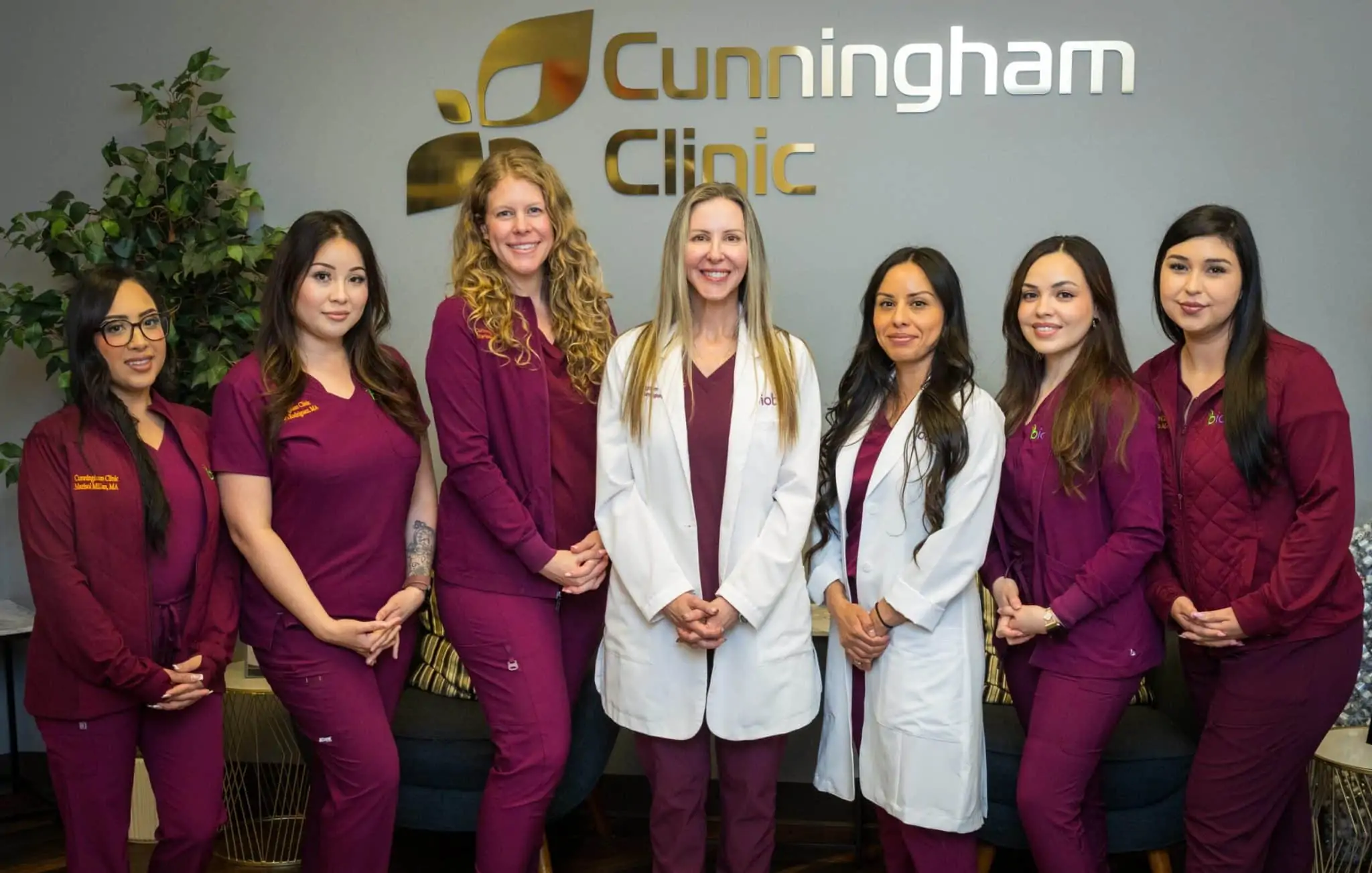
If you're in the Denver area and considering IPL treatment, Cunningham Clinic offers IPL treatments using the Lumecca device, one of the more advanced IPL systems available for treating sun damage, redness, and discoloration. Led by Nurse Practitioner Kimberly Cunningham, the clinic takes a conservative, evidence-informed approach to aesthetic care, tailoring treatment plans to your specific skin concerns rather than a one-size-fits-all protocol.
Before recommending a treatment plan, the team at Cunningham Clinic will walk you through what to expect, how many sessions might be right for your skin, and how to prepare beforehand. You can learn more about their approach to IPL treatments or explore their broader range of med spa services, which include Morpheus8, laser hair removal, and injectable treatments.
Getting started with IPL treatment
IPL treatment offers a practical, well-researched option for anyone looking to address sun damage, redness, or uneven skin tone without significant downtime. With decades of clinical use behind it and a treatment plan that can be tailored to your specific skin, it's easy to see why so many people choose it as part of their skin care routine.
If you're curious about whether IPL is right for your skin, the best next step is a consultation with a qualified provider who can assess your skin type, history, and goals. You can book an appointment with Cunningham Clinic to get personalized guidance on whether IPL treatment fits your needs.