


Low Testosterone & Andropause Treatment in Denver, CO
Choice Andropause Treatments in Denver, CO
Andropause is the gradual, age-related decline in testosterone — sometimes called male menopause — that can leave men with fatigue, low libido, brain fog, lost muscle, and a flat mood, often starting in the 40s. At Cunningham Clinic in Denver's Cherry Creek neighborhood, our team of nurse practitioners confirms what is actually going on with proper lab testing and builds a conservative, individualized plan to restore your energy and drive.
If your labs confirm low testosterone, one option we may recommend is Biote bioidentical hormone replacement therapy (BHRT). This pellet-based approach uses plant-derived hormones with the same chemical structure as the ones your body naturally produces. A small pellet, about the size of a grain of rice, is placed just beneath the skin during a quick in-office visit, where it dissolves gradually and releases a steady stream of testosterone into your bloodstream — without the daily gels or injections, or the peaks and dips in how you feel that can come with them. Because each treatment lasts around four to five months for men, most come in just a few times a year, making it a low-maintenance way to rebuild energy, focus, and drive. As with every treatment at Cunningham Clinic, our team of experts tailors your plan to your lab results and goals, taking a conservative approach that uses the least intervention necessary to restore your hormones to balance.
Hormone Therapy for Men: Boosting Metabolism and Energy
Men face unique challenges as their hormone levels naturally decline with age. This gradual drop in testosterone, sometimes called andropause, can significantly alter a man’s body composition and quality of life. Learn more here as well.
Feel like yourself again.
What is andropause (low testosterone)?
Andropause refers to the slow decline in testosterone that occurs as men age — often described as male menopause, though it is more accurately called late-onset hypogonadism. Unlike the relatively abrupt hormone change of female menopause, testosterone in men typically falls gradually, by roughly one percent per year after about age 30 to 40.
Not every man with a lower number needs treatment. Andropause matters when low testosterone is both confirmed on bloodwork and paired with symptoms that affect how you feel and function. That combination — low levels plus real symptoms — is what we evaluate.
Book your Appointment
Feel like yourself again.
Andropause, explained clearly.
Andropause, explained clearly.
Common symptoms of low testosterone
Low testosterone shows up differently from man to man, but the most common signs we see in Denver patients include:
• Persistent fatigue and low energy
• Reduced sex drive (low libido)
• Erectile difficulties
• Loss of muscle mass and strength
• Increased body fat, especially around the midsection
• Low mood, irritability, or a flat sense of motivation
• Brain fog and trouble concentrating
• Disrupted or poor-quality sleep
• Reduced bone density over time
• A general sense of not feeling like yourself
Many of these overlap with stress, poor sleep, thyroid issues, and other conditions — which is exactly why testing and a provider's evaluation matter before starting any treatment.
Low energy? Let's talk.
Diagnosis of low Testosterone: Benefits and Risks for treatment
Low testosterone is diagnosed with a morning blood test showing a low testosterone level, confirmed on a second test, together with symptoms — not from symptoms alone. Because levels are highest in the morning and can vary day-to-day, we test correctly and repeat the test before concluding.
Major medical guidelines use thresholds in the range of roughly 264 to 300 ng/dL to define testosterone deficiency, and the benefits of treatment are clearest in men whose levels are genuinely low. We also check related labs and rule out other causes so your diagnosis — and your plan — are based on data.
A confirmed testosterone reading is only part of the picture, so we look deeper before making any recommendations. Along with your total testosterone, we may check free testosterone and SHBG to assess how much hormone your body can actually use, along with a thyroid panel, a complete blood count (CBC), and other related markers. This matters because symptoms like fatigue, low drive, or brain fog can stem from causes other than low testosterone — and treating the wrong problem won't help you feel better. By ruling those out and reviewing your full results together, our team of experts build a conservative, individualized plan grounded in your data rather than guesswork. The goal is simple: a clear diagnosis you can trust and a treatment approach that fits your body and your goals.
For men with confirmed low testosterone, modern evidence supports the safety of properly monitored TRT. The large TRAVERSE trial of more than 5,000 men at elevated cardiovascular risk found no meaningful increase in major cardiac events such as heart attack and stroke.
That said, TRT is not for everyone, and it should be individualized. Important considerations include fertility — testosterone therapy can reduce sperm production, so men who hope to father children should discuss this first — along with monitoring of blood counts and prostate health. If symptoms do not improve after a few months of well-managed therapy, we reassess rather than continue indefinitely.
Low energy? Let's talk.
Reclaim your drive and focus.
Reclaim your drive and focus.
Low testosterone treatment options at Cunningham Clinic
When bloodwork confirms low testosterone and you have symptoms, testosterone replacement therapy (TRT) can restore energy, libido, lean muscle, mood, and overall vitality. We use the most appropriate delivery method for you and monitor closely — always the minimum effective approach.
Testosterone replacement therapy (TRT)
For confirmed symptomatic low testosterone, TRT brings levels back into a healthy range. Studies show improvements in sexual desire, erectile function, lean body mass, bone density, and vitality — with the greatest benefit in men whose levels were truly low to begin with.
Bioidentical testosterone and Biote pellet therapy
As a Biote Certified clinic, we offer bioidentical testosterone options — including pellet therapy — alongside injections and topical gels, matched to your body, your schedule, and your preferences.
Careful monitoring
TRT requires follow-up. We recheck testosterone along with red-blood-cell count (hematocrit), estradiol, and prostate (PSA) markers, and we adjust your plan to keep treatment both effective and safe.
Lifestyle and root-cause support
Sleep, strength training, body composition, alcohol, and stress all influence testosterone. Whether or not you start TRT, we address the factors that move the needle naturally.
book now
What to expect at your first visit
1. Conversation: We listen to your symptoms, history, and goals.
2. Testing: we order a morning testosterone level (and confirm it) plus related labs to find the real cause.
3. Plan: If treatment is warranted, we choose an individualized approach and explain the benefits, risks, and monitoring.
4. Follow-up: we recheck your labs and symptoms and adjust to keep therapy safe and effective.
Frequently Asked Questions
Why choose Cunningham Clinic for men's hormone care in Denver
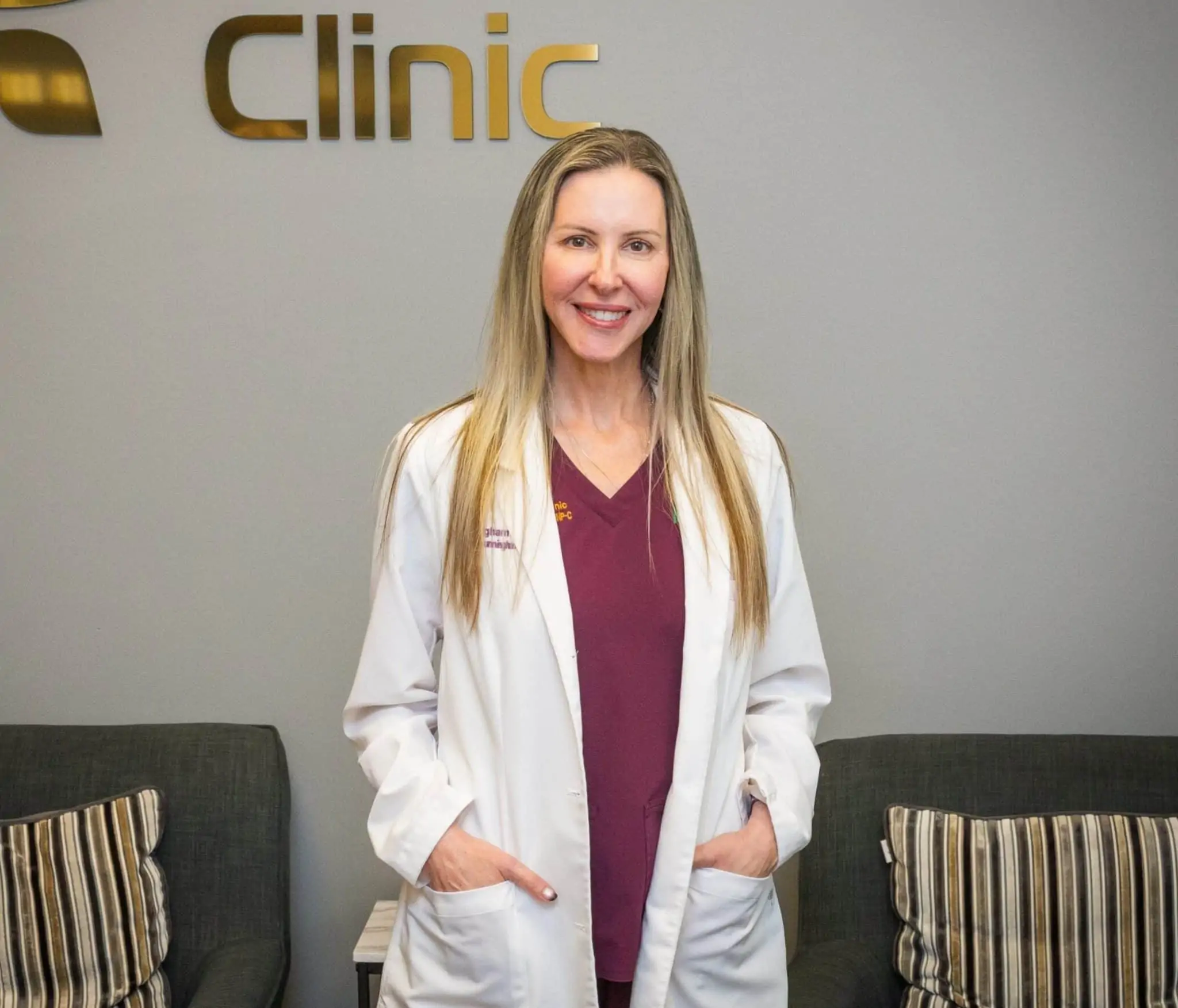
Kimberly Cunningham, Nurse Practitioner (APRN), a nurse practitioner and adjunct faculty member at the University of Colorado College of Nursing, leads Cunningham Clinic. You get credentialed, evidence-aligned men's hormone care — the kind that tests properly, treats conservatively, and monitors carefully — without the hype of a quick-fix testosterone mill.
• Provider-led TRT grounded in current clinical evidence and proper lab confirmation
• Biote Certified clinic offering bioidentical testosterone options
• Conservative philosophy: treat when it is warranted, monitor closely, use the minimum effective dose
• Honest guidance — including when TRT is not the right choice for you
• Bilingual team (English, Español)
• Cherry Creek location at 695 S Colorado Blvd, serving Wash Park, Bonnie Brae, Hilltop, and greater Denver