


Menopause Treatment & Hormone Therapy in Denver, CO
Premier Menopause Treatments in Denver, CO
Menopause is the point twelve months after your last period — usually around age 51 — when lower estrogen can bring hot flashes, night sweats, sleep problems, vaginal dryness, and mood or memory changes. At Cunningham Clinic in Cherry Creek, our talented team of experts provide conservative, individualized menopause care — including hormone therapy — to relieve symptoms and protect your long-term health.
One option we may recommend is Biote bioidentical hormone replacement therapy (BHRT). This pellet-based approach uses plant-derived hormones with the same chemical structure as the ones your body naturally produces. A small pellet, about the size of a grain of rice, is placed just beneath the skin during a quick in-office visit, where it dissolves gradually and releases a steady stream of hormones into your bloodstream — without the daily pills or topical creams, or the peaks and dips in how you feel that can come with them. Because each treatment lasts around three to four months, most women come in just a few times a year, making it a low-maintenance way to ease symptoms and feel more like yourself again. As with every treatment at Cunningham Clinic, our team of experts tailors your plan to your needs and goals, taking a conservative approach that uses the least intervention necessary to bring your hormones back into balance.
High Quality menopause treatments in denver, CO, at cunningham clinic
Menopause marks the point twelve months after your last period, usually around age 51, when estrogen levels drop significantly, and your body settles into a new normal. That shift can bring hot flashes, night sweats, sleep problems, vaginal dryness, and changes in mood or memory — symptoms that are common but never something you have to endure. At Cunningham Clinic in Denver's Cherry Creek neighborhood, you'll find conservative, individualized care designed to ease those symptoms, protect your long-term health, and help you feel like yourself again. Learn more here as well.
Feel like yourself again.
What is Menopause?
Menopause is the natural point in life, confirmed 12 months after your final menstrual period, when your ovaries stop releasing eggs and produce much less estrogen and progesterone. In the United States, it happens on average around age 51, though it can arrive earlier, including after surgery to remove the ovaries (surgical menopause) or certain medical treatments. The years of fluctuating hormones before this point are called perimenopause; the years afterward are postmenopause. Most of the symptoms women associate with “the change” are driven by lower estrogen, and many of them respond well to treatment.
Book your Appointment
Feel like yourself again.
Night sweats? Let's talk.
Night sweats? Let's talk.
Common Menopause symptoms
Menopause symptoms vary from woman to woman, but the most common are tied to declining estrogen. Denver patients most often come to us with:
• Hot flashes and night sweats (vasomotor symptoms)
• Disrupted sleep and insomnia
• Vaginal dryness, irritation, or discomfort with intercourse
• Urinary urgency or more frequent urinary tract infections
• Mood changes — anxiety, irritability, or low mood
• Brain fog and trouble with memory or focus
• Lower libido
• Weight gain and changes in body composition
• Thinning hair and drier skin
• Joint aches and stiffness
• Accelerated bone loss, which raises the long-term risk of osteoporosis
Relief through hormone therapy.
Menopause treatment options at Cunningham Clinic
Hormone therapy is a potentially effective treatment for hot flashes, night sweats, and the genitourinary symptoms of menopause, and it also helps protect against bone loss. We also offer non-hormonal and lifestyle approaches for women who prefer them or for whom hormones are not the right fit — every plan is individualized and conservative.
Menopausal hormone therapy (MHT)
For appropriate candidates, estrogen — combined with progesterone if you still have your uterus — is an effective treatment for hot flashes and night sweats. We discuss the benefits and risks in the context of your personal health history and start with the lowest effective approach. Because estrogen used without progesterone can increase the risk of endometrial cancer in women who still have a uterus, that warning remains important when estrogen-alone therapy is discussed.
Bioidentical hormones and Biote pellet therapy
As a Biote Certified clinic, we offer bioidentical hormone options, including pellet therapy, along with other delivery methods such as patches, creams, and oral formulations — matched to your body, preferences, and goals.
Low-dose vaginal estrogen for dryness and intimacy
For vaginal dryness, irritation, and painful intercourse, low-dose vaginal estrogen is a safe and highly effective option that acts locally. For vaginal dryness, irritation, and painful intercourse, low-dose vaginal estrogen is a safe and highly effective option that acts locally. In 2025–2026, certain FDA-approved low-dose vaginal estrogen products had labeling updates that removed the boxed warning for those local therapies. This change does not apply to compounded hormone pellets or other compounded hormone products, which are not FDA-approved in the same way and do not share the same product labeling.
Non-hormonal and lifestyle options
If you prefer to avoid hormones, we offer non-hormonal medications and evidence-based guidance on sleep, nutrition, strength training, and stress that can meaningfully reduce symptoms.
Bone and long-term health
Because estrogen loss accelerates bone thinning, we also help you protect bone density and overall health for the decades after menopause.
Relief through hormone therapy.
Clear answers, gentle care.
Clear answers, gentle care.
Is menopause hormone therapy safe? Benefits and risks
For most healthy women under 60 or within ten years of menopause, the benefits of hormone therapy generally outweigh the risks, and it remains an effective treatment for hot flashes and night sweats. Risks are higher when hormone therapy is started in women who are older or many years past menopause, which is why timing and individual health history matter.
This is exactly the kind of decision that benefits from a credentialed provider. We review your personal and family history, your symptoms, and your goals, then recommend — or advise against — hormone therapy based on what is right for you, not a one-size-fits-all protocol. If hormone therapy is not appropriate, we will tell you, and we will offer effective alternatives.
book now
Clear answers, gentle care.
What to expect at your first visit
1. Conversation: We listen to your symptoms, history, and goals.
2. Evaluation: We review your health history and order any labs needed to guide treatments safely.
3. Plan: we recommend an individualized approach — hormonal, non-hormonal, or both —and explain the benefits and risks.
4. Follow-up: We monitor your response and adjust to keep you feeling your best.
Frequently Asked Questions

Why choose Cunningham Clinic for menopause care in Denver?
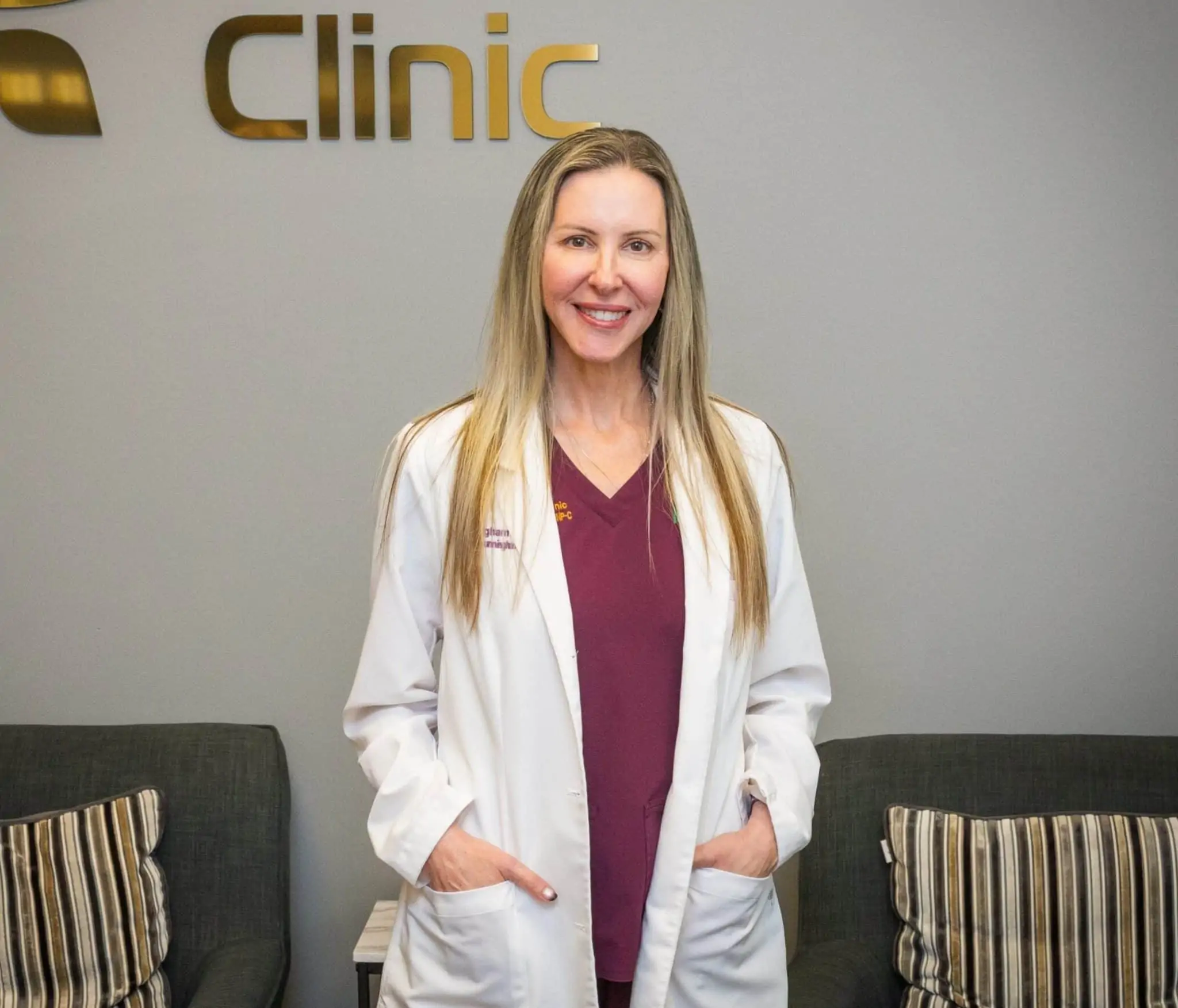
Many Denver women weigh their options carefully — comparing hospital programs, med spas, and specialty clinics. Cunningham Clinic is led by Kimberly Cunningham, APRN, a nurse practitioner and adjunct faculty member at the University of Colorado College of Nursing, so you get academic-grade expertise with the warmth and continuity of a dedicated clinic.
• Provider-led menopause and hormone care, grounded in current clinical evidence
• Biote Certified clinic with bioidentical hormone options
• Conservative philosophy: individualized care and the minimum effective treatment
• Honest guidance — including when hormone therapy is not the right choice for you
• Bilingual team (English / Español)
• Cherry Creek location at 695 S Colorado Blvd, serving Wash Park, Bonnie Brae, Hilltop, and greater Denver
Medical Disclaimer
The information on this page is provided for general educational purposes only and is not a substitute for professional medical advice, diagnosis, or treatment. Menopause care and hormone therapy must be individualized based on a patient’s symptoms, medical history, and risk profile. References to FDA-approved products and labeling changes apply only to the specific products discussed and should not be interpreted as applying to compounded therapies, including pellet-based hormone therapy. Always consult a qualified healthcare professional before starting, stopping, or changing treatment.