


TL;DR: Brain fog — characterized by difficulty concentrating, forgetfulness, and mental exhaustion — is frequently linked to hormonal imbalance. Declining levels of estrogen, progesterone, and testosterone directly affect how the brain processes information. According to a 2026 review published in The Lancet, more than two-thirds of women report cognitive difficulties during the menopause transition. Identifying and treating the underlying hormonal cause is often the most effective path to mental clarity. You walk into a room and immediately forget why you're there.
You lose your train of thought mid-sentence. You read the same paragraph three times and still can't retain it. This isn't a character flaw or a sign of early dementia. For millions of people, it's brain fog — and it's far more common than most realize.
Brain fog touches every part of daily life. It affects productivity at work, quality of relationships, and your sense of self. Yet despite how disruptive it can be, the root cause is frequently overlooked or misdiagnosed. One of the most underappreciated contributors to brain fog? Hormonal imbalance.
Hormones regulate far more than reproduction. They influence how your brain forms memories, processes emotions, and sustains focus. When levels shift — as they do during perimenopause, menopause, andropause, or other hormonal transitions — cognitive symptoms can follow quickly. Understanding this connection is the first step toward finding real, lasting relief.
This guide covers everything you need to know: what brain fog is, what causes it, and how hormonal changes specifically drive cognitive symptoms. Most importantly, you'll learn what brain fog treatment options actually exist — so you can make informed decisions about your health.
What Is Brain Fog?
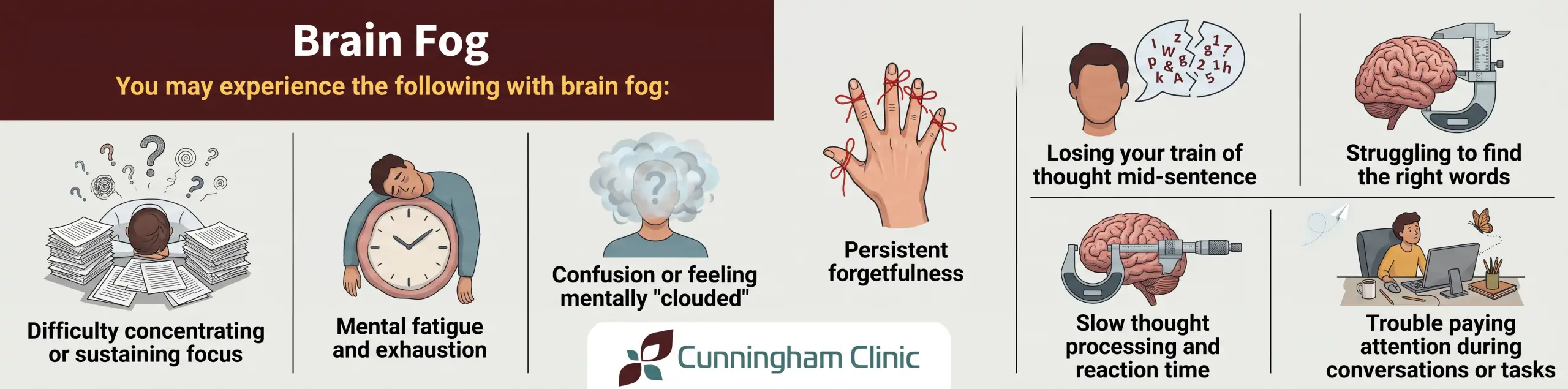
Brain fog is not a clinical diagnosis. Rather, it's a term used to describe a cluster of cognitive symptoms that make it difficult to think clearly, focus, remember, or pay attention. According to Cleveland Clinic, brain fog affects your ability to perform routine tasks — things as simple as holding a conversation or following a set of instructions.
What Does Brain Fog Feel Like?
The experience of brain fog varies from person to person, but common symptoms include:
-Difficulty concentrating or sustaining focus
-Persistent forgetfulness
-Mental fatigue and exhaustion
-Confusion or feeling mentally "clouded"
-Losing your train of thought mid-sentence
-Struggling to find the right words
-Slow thought processing and reaction time
-Trouble paying attention during conversations or tasks
Brain fog can be mild and occasional, or it can be severe enough to interfere with work, relationships, and basic functioning. It's usually temporary — lasting days to weeks — but for some people, particularly those with underlying hormonal imbalances, it can persist for months or even years if left unaddressed.
How Common Is Brain Fog?
Very. The American Brain Foundation notes that nearly everyone experiences brain fog symptoms at some point in their lives. Among certain populations, the rates are striking. A 2026 review published in The Lancet Obstetrics, Gynecology, & Women's Health — co-authored by researchers at University College London — found that more than two-thirds of women report difficulties with memory or concentration during the menopause transition. RAND's 2025 research puts that figure at up to 60% of women experiencing cognitive difficulties during menopause specifically.
For people with thyroid dysfunction — another hormone-related condition — the numbers are equally telling. According to a large patient survey cited by Dr. Jolene Brighten, a board-certified naturopathic endocrinologist, nearly 80% of those with hypothyroidism reported frequent brain fog symptoms, with over 46% experiencing brain fog symptoms before they even received a diagnosis.
Brain Fog Causes: A Comprehensive Overview
Brain fog has multiple potential causes, which is part of why it can be so difficult to pin down. Several factors often overlap and compound each other.
Lifestyle Factors
Some of the most common brain fog causes are also the most addressable:
-Poor sleep: Sleep deprivation is one of the most direct causes of cognitive impairment. The brain consolidates memory and clears metabolic waste during sleep. Too little, and cognitive performance suffers quickly.
-Chronic stress: Elevated cortisol — the body's primary stress hormone — disrupts neurotransmitter function and impairs memory formation over time.
-Poor nutrition: The brain depends on steady glucose, omega-3 fatty acids, B vitamins, and minerals like magnesium to function optimally. A nutrient-poor diet creates the conditions for cognitive sluggishness.
-Dehydration: Even mild dehydration has been shown to reduce concentration and increase feelings of mental fatigue.
-Excessive screen time and overstimulation: Constant digital input taxes the brain's attentional resources and contributes to mental exhaustion.
Medical Conditions
Several underlying conditions are associated with brain fog symptoms, including:
-Autoimmune conditions such as lupus, fibromyalgia, and multiple sclerosis
-Diabetes and blood sugar dysregulation (hypoglycemia)
-Mental health conditions including anxiety and depression
-Neurodivergent conditions like ADHD and autism spectrum disorder
-Hypothyroidism (underactive thyroid)
-Long COVID — research shows that the COVID-19 virus persists in the gut after acute infection, altering the microbiome and reducing serotonin production, which directly impacts cognitive function
Medication Side Effects
Certain medications are known to cause cognitive side effects. Anticholinergic drugs, older antihistamines (such as diphenhydramine), some urinary medications, and older antidepressants can all contribute to mental cloudiness.
Environmental Factors
Extreme heat, prolonged cold exposure, and air pollution can also impair cognitive function. These are often temporary but worth noting, especially for people who live or work in environments with high pollutant exposure.
Hormonal Changes
This is where things get particularly important — and where many people's brain fog experiences go unrecognized or misattributed. Hormonal changes during key life phases, including perimenopause, menopause, andropause, pregnancy, and the postpartum period, are a significant and frequently overlooked driver of brain fog. This connection deserves a closer look.
The Hormone Connection: How Hormonal Imbalance Causes Brain Fog

Hormones don't just regulate reproduction and metabolism. They are deeply integrated with brain function. Understanding how estrogen, progesterone, and testosterone affect cognition helps explain why hormonal shifts can produce such dramatic cognitive symptoms.
How Estrogen Affects the Brain
Estrogen is considered a neuroprotective hormone — sometimes referred to as a neurosteroid. Estrogen receptors are distributed throughout the brain, and estrogen actively promotes cognitive function by supporting neurotransmitter activity, maintaining neuronal health, and reducing neuroinflammation.
According to research reviewed by Dr. Jolene Brighten, low estrogen is directly associated with cognitive change, brain fog, disrupted sleep and mood, anxiety, and depression. Estrogen loss doesn't announce itself only through hot flashes. As Dr. Heather Hirsch of Harvard-affiliated Brigham and Women's Hospital explained to Harvard Health, "Brain fog is one of the lesser-known symptoms of menopause, but it's so common. We're talking about it more now, but the majority of women don't associate brain fog with menopause the way they do hot flashes."
Because estrogen receptors exist in virtually every organ — including the brain — the body is highly sensitive to any drop in estrogen levels. This sensitivity is why cognitive symptoms can appear well before menopause, during the perimenopause transition when estrogen begins to fluctuate unpredictably.
The Role of Progesterone
Progesterone and estrogen work together to regulate brain health. During the second half of the menstrual cycle, progesterone rises to balance estrogen's effects. When progesterone is too low — either in absolute terms or relative to estrogen — cognitive symptoms including brain fog become more likely.
Both estrogen and progesterone influence the brain's ability to think and process emotions. Research published in ScienceDirect found that estradiol (a form of estrogen) and progesterone regulate hundreds of genes involved in cognitive function — 143 and 94 genes respectively — underscoring just how significant these hormones are to brain health.
Testosterone and Cognitive Function
Testosterone is often thought of as a male hormone, but it plays an important role in cognition for both men and women. Low testosterone levels are associated with impaired memory, decreased mental clarity, and difficulty concentrating. For men experiencing andropause — the gradual decline in testosterone that typically begins in middle age — brain fog is a commonly reported but frequently overlooked symptom.
Perimenopause: When the Brain Recalibrates
Perimenopause is often described as "reverse puberty." It's characterized by rapid, unpredictable hormone fluctuations that force the brain to undergo a significant recalibration. During the reproductive years, the brain receives consistent hormonal input that supports cognitive function. As estrogen levels begin to oscillate and eventually decline during perimenopause, that input becomes erratic — and the brain responds accordingly.
This neurological transition period is associated with increased brain fog, sleep disruption, mood changes, and difficulty with memory and learning. The long-term SWAN (Study of Women's Health Across the Nation) trial has found that perimenopausal women temporarily experience difficulty learning new information — though for most, cognitive function does improve once they move through menopause.
You can explore more about perimenopause and its symptoms on the Cunningham Clinic website.
Neuroinflammation and Hormones
One mechanism behind hormonal brain fog involves neuroinflammation — the brain's immune response to changes or injury. Research shows that declining hormone levels can trigger inflammatory processes in the brain, temporarily impairing information processing. Estrogen, in particular, has anti-inflammatory properties in the central nervous system. When estrogen drops, that protective effect diminishes, potentially leaving the brain more vulnerable to inflammatory signals that impair cognition.
Hormone Imbalance Symptoms Beyond Brain Fog
Brain fog is rarely the only sign of a hormonal imbalance. It typically appears alongside a constellation of other symptoms that, taken together, point clearly toward an endocrine issue.
Common hormone imbalance symptoms include:
-Persistent fatigue, even after adequate sleep
-Insomnia or disrupted sleep patterns
-Unexplained weight gain, particularly around the abdomen
-Mood swings, anxiety, or depression
-Low libido
-Hot flashes and night sweats
-Irregular or painful periods
-Decreased muscle mass
-Acne or changes in skin texture
What makes hormonal brain fog particularly tricky is that many of these symptoms are frequently attributed to other causes — or treated in isolation with medications for anxiety, depression, or insomnia — without anyone examining the underlying hormonal picture. As Cunningham Clinic's Biote BHRT page explains, female hormone imbalance symptoms are often masked by medications prescribed for anxiety, depression, insomnia, and weight gain, creating a cycle where the root cause goes unaddressed.
This is exactly why getting a comprehensive hormone evaluation matters — not just for women navigating menopause or perimenopause, but also for men dealing with the cognitive and physical effects of andropause.
Brain Fog Treatment Options in Denver: What Actually Helps?
Start With Lifestyle Modifications
For mild or situational brain fog, lifestyle changes are a sensible first step. Research and clinical guidance consistently point to the following as effective strategies:
Prioritize sleep: The brain processes and consolidates memory during sleep. Consistent, quality sleep is non-negotiable for cognitive health. Aim for 7 to 9 hours per night and maintain a consistent sleep schedule.
Eat for brain health: A whole-food diet rich in omega-3 fatty acids, leafy greens, lean proteins, and antioxidant-rich fruits and vegetables supports neurotransmitter production and reduces neuroinflammation.
Get moving: Regular aerobic exercise increases blood flow to the brain, supports neuroplasticity, and has been shown to improve cognition across multiple studies. Even 30 minutes of moderate activity daily makes a measurable difference.
Manage stress: Chronic stress keeps cortisol elevated, which over time damages the hippocampus — the brain region most involved in memory formation. Practices like meditation, breathwork, and consistent downtime are not optional extras; they're part of brain fog treatment.
Stay hydrated: Mild dehydration impairs attention and short-term memory. Drinking adequate water throughout the day is one of the simplest ways to support mental clarity.
When Lifestyle Changes Aren't Enough
Lifestyle modifications help — but they have limits, especially when hormonal imbalance is the primary driver. Improving your diet won't replenish depleted estrogen. Exercise, while beneficial, won't restore testosterone levels that have declined with age.
If brain fog is persistent, significantly affecting your quality of life, or accompanied by other hormone imbalance symptoms, the next step is getting your hormone levels properly evaluated. A comprehensive hormone panel can identify whether estrogen, progesterone, testosterone, or thyroid hormones are outside optimal ranges — providing a clear picture of what's actually driving your symptoms.
At Cunningham Clinic in Denver, the care team evaluates hormone levels as part of a personalized assessment, helping patients understand whether hormonal imbalance is contributing to their cognitive symptoms. If you're experiencing persistent brain fog alongside fatigue, mood changes, or other symptoms, getting tested is a logical and important step.
Bioidentical Hormone Replacement Therapy (BHRT) for Brain Fog

For people whose brain fog is rooted in hormonal decline or imbalance, Bioidentical Hormone Replacement Therapy (BHRT) is one of the most targeted treatment options available. Here's how it works — and why it differs from conventional hormone therapy.
What Makes BHRT Different?
Bioidentical hormones are structurally identical to the hormones your body naturally produces. This is the key distinction between BHRT and synthetic hormone therapy. Because bioidentical hormones match the body's own molecular structure, they interact with hormone receptors more naturally, which can mean fewer side effects and a more precise restoration of hormonal balance.
How Biote® Medical Pellets Work
Cunningham Clinic near Lowry, CO, exclusively uses Biote® Medical pellets — a state-of-the-art, clinically proven delivery system for BHRT. Small pellets, roughly the size of a grain of rice, are inserted just under the skin during a simple in-office procedure. From there, they release a consistent, steady stream of bioidentical hormones directly into the bloodstream — closely mimicking the way the body naturally delivers hormones.
As a Biote BHRT patient, you receive two to four pellet insertions per year. There are no daily pills to remember, no patches to apply, no gels to rub in. The hormone is simply available when your body needs it.
What Can Patients Expect?
When hormone levels are optimized through BHRT, patients commonly report:
-Sharper mental clarity and improved focus — a key benefit for those dealing with brain fog
-More consistent energy throughout the day
-Improved mood and a greater sense of emotional calm
-Deeper, more restorative sleep
-Renewed libido and intimacy
-Better body composition and metabolic support
-A stronger overall sense of vitality
The team at Cunningham Clinic offers BHRT for women and BHRT for men, with each treatment plan customized to the individual's symptoms, lab results, and goals. This isn't a one-size-fits-all approach — it's care built around you.
Why Professional Hormone Treatment Makes a Difference
There's an important distinction between managing symptoms and addressing root causes. Lifestyle changes manage the conditions that contribute to hormonal brain fog. Professional hormone treatment addresses the underlying hormonal deficit directly.
For someone in perimenopause, menopause, or andropause, the reality is that estrogen, progesterone, and testosterone levels are declining as a natural part of aging. Eating better and sleeping more can support the body during this transition — but they cannot reverse the biological decline in hormone production. That's where targeted hormone therapy plays a role that lifestyle changes cannot replicate.
Cunningham Clinic's approach is led by Nurse Practitioner Kimberly Cunningham, APRN — an adjunct faculty member at the CU College of Nursing — alongside a fully Biote-certified clinical team. Their philosophy centers on conservative, evidence-informed care: achieving the best possible outcome with the minimum necessary intervention. Patients receive thorough evaluations, clear guidance, and ongoing follow-up — not a generic prescription and a goodbye.
Patients consistently describe the experience as feeling genuinely heard. As one long-term patient shared in a Google review: "They see you and treat you like a whole human. Looking at the body as a functioning unit. They listen, don't push, educate, and bring you into the conversation."
If brain fog, fatigue, mood changes, or other hormone imbalance symptoms are affecting your daily life, the Cunningham Clinic team can help you understand what's driving those symptoms — and what can be done about it. Learn more about Biote BHRT at Cunningham Clinic or explore their mood, libido, and energy services to get a full picture of what treatment might look like for you.
Stop Accepting Foggy Thinking as Normal

Brain fog is not an inevitable price of getting older, and it's not something you have to live with. For many people, it's a signal — one the body sends when something in the hormonal landscape has shifted significantly enough to impair cognitive function.
The connection between hormonal imbalance and brain fog is well-supported by research, increasingly understood by clinicians, and experienced firsthand by millions of people. What remains underutilized is the path from recognition to treatment.
Understanding what brain fog is, identifying its causes, and exploring evidence-based treatment options puts you in a much stronger position to reclaim mental clarity. If you suspect hormones are at the root of your symptoms, start with a conversation with a qualified provider.
Schedule a consultation at Cunningham Clinic in Denver, CO, to evaluate your hormone levels and explore whether BHRT could help restore the focus, energy, and clarity you've been missing.